
Is Latin America Safe to Visit The Complete Guide for Smart and Confident Travel
Eudaimonia
Latin America invites travelers into a world where ancient cultures, lively streets and spectacular landscapes coexist with fast-growing modern cities. Yet one question almost always surfaces when planning a trip there: “Is it safe?” The reality is more nuanced than headlines suggest. Safety varies significantly between large metropolitan areas and the smaller towns or regional destinations that many travelers fall in love with.
Insights from the 2026 World’s Best Cities Report show that several Latin American cities—such as Buenos Aires, Mexico City, Rio de Janeiro and Bogotá—rank among the world’s top urban destinations, celebrated for their culture, cuisine, global connectivity and visibility. Their size brings remarkable energy and opportunity, but it also means the usual urban challenges: higher rates of petty theft, crowded transit corridors, heavy traffic and neighborhoods where safety can vary block by block.
Beyond the big cities, the picture shifts. Smaller towns, rural regions and mid-size cultural hubs often offer a steadier pace, closer-knit communities and environments where local hospitality plays a larger role in creating safe, welcoming experiences.
it’s also important to place Latin America in global context. Major cities in Europe and the United States—New York, Los Angeles, Paris, London, Rome—face similar patterns of petty theft, tourist-targeted scams and neighborhood-based disparities. Just as travelers exercise caution in Barcelona’s Ramblas or Paris’s metro, the same urban awareness applies in Latin America’s largest capitals. Crime in major tourist zones tends to be opportunistic rather than violent, and with local guidance and preparation, the overall risk profile becomes manageable—no different from traveling through many well-known global cities.
Essential Safety Principles for Traveling in Latin America
At Eudaimonia Trips, we believe that informed travelers are confident travelers. Latin America is a region filled with beauty, culture, and unforgettable experiences. With the right preparation, most journeys unfold with ease. The following principles guide how we design each itinerary and how we support travelers from start to finish.
Start with reliable information
We monitor trusted international sources, including the State Department, the STEP program, and the Centers for Disease Control. These provide clear updates on regional conditions, health considerations and entry requirements. When needed, we complement this information with insights from local partners who understand what is happening on the ground each day.
Practice simple urban awareness
Large cities in Latin America experience the same challenges seen in cities like New York, Paris and Rome. Petty theft can occur in crowded markets, busy transit hubs or popular nightlife districts. Keeping valuables out of sight, using enclosed ATMs and staying alert in crowded areas help ensure a smooth experience. These are the same habits travelers use in many major cities around the world.
Use safe and dependable transportation
Most of your transportation with Eudaimonia Trips is arranged in advance through trusted drivers, vetted operators and reputable companies we work with regularly. When you move independently, we encourage the use of dependable app based services such as Uber, DiDi and Cabify in cities where they operate. Hotels, restaurants and cultural centers can also request secure transportation on your behalf. These choices add predictability and comfort to your day.
Understand the areas you want to explore
Neighborhoods can vary from one street to another. We guide you toward areas known for cultural interest, walkability and safety, and when a location is better experienced with a certified guide, we arrange that support in advance.

Stay connected throughout your journey
One of our priorities at Eudaimonia Trips is making sure you never feel alone on the road. We offer steady communication, trusted local contacts and real time assistance whenever you need it. This connection creates a sense of comfort that lets you explore each destination with joy and confidence.
Colombia: Safety Overview and Key Considerations
Colombia’s safety landscape has changed significantly over time. Decades ago, cities like Medellin were associated with violence, a perception shaped by reports such as the Time archive piece titled Colombia The Most Dangerous City. Today, the reality is very different. Colombia has experienced meaningful improvements in safety over the last decade, especially in major travel corridors and cultural centers. Bogota, Medellin, and Cartagena now welcome visitors with strong tourism infrastructure, active police presence in key districts and a growing local commitment to hospitality. Risks still exist in remote areas where state presence is limited, but for most travelers the primary concerns involve petty theft, unregistered taxis and isolated incidents in nightlife settings. With informed planning, awareness of recommended neighborhoods and support from local partners, Colombia remains a rewarding and accessible destination.
Bogotá
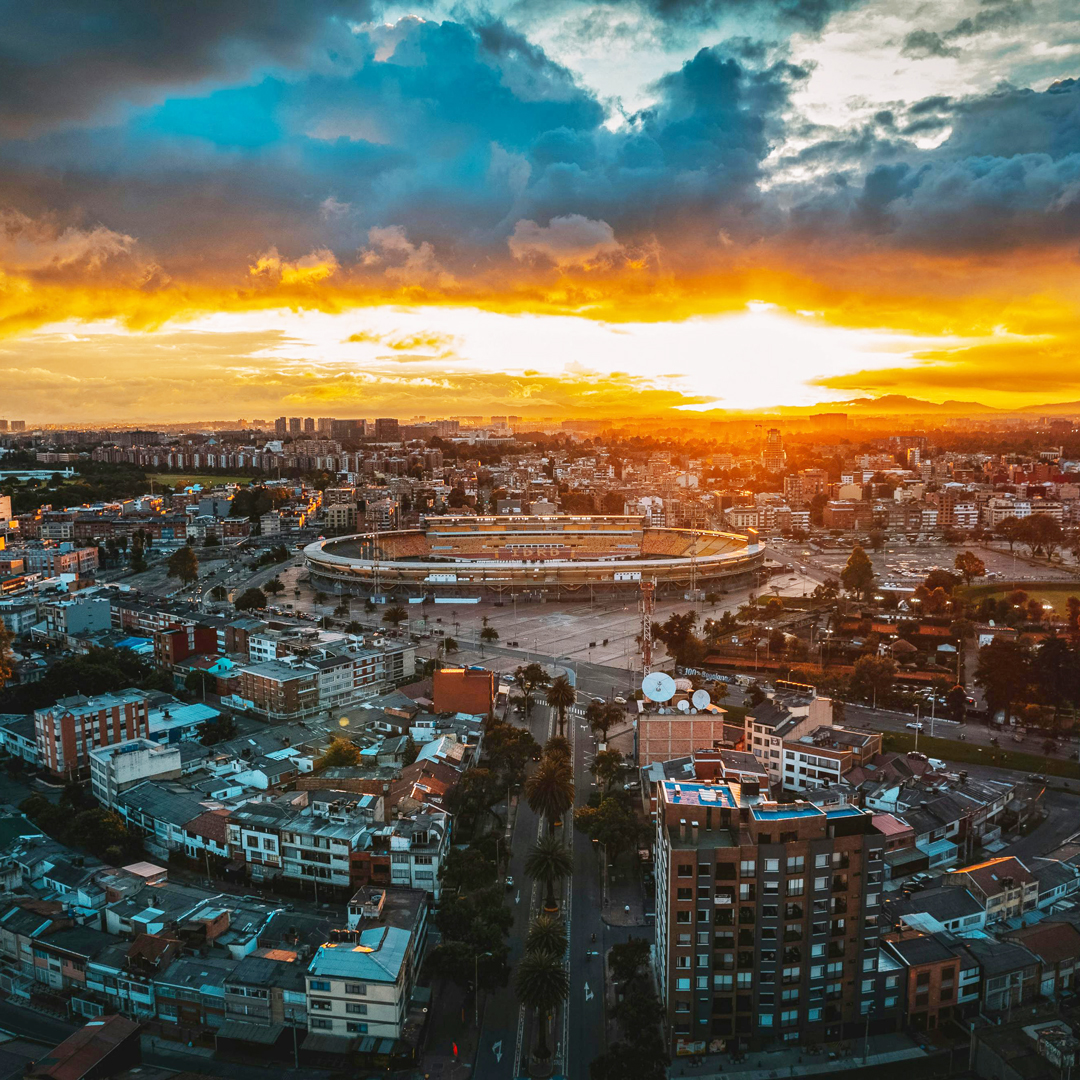
Bogotá is the opening door to Colombia and for many travelers the gateway into South America. Blends cultural richness with modern urban life, and its safety picture reflects this balance. Neighborhoods such as Chapinero, Usaquen and La Candelaria offer vibrant food, art and history with strong visitor presence. Most concerns involve petty theft in crowded areas, so simple awareness goes a long way. With planned routes and trusted transportation, Bogotá feels energetic, layered and welcoming.
Medellín
Medellín is a symbol of transformation, known for its innovation, mountain views and open hearted local culture. celebrated in recent reporting such as the Forbes feature on how the city became one of the top travel destinations for 2026. Areas like El Poblado and Laureles offer walkable streets, lively cafes and a steady police presence. Occasional risks appear late at night in nightlife districts or when using unregistered taxis. With local insight and mindful exploration, the city becomes a warm and inspiring place to experience.
Cartagena
Cartagena shines with Caribbean light, colonial architecture and a relaxed coastal atmosphere. The Walled City and Getsemani are the main visitor centers, filled with music, plazas and colorful streets. Safety concerns are generally limited to petty theft and overly persistent vendors. Staying within known areas, choosing trusted drivers and exploring during active hours helps visitors enjoy the city’s charm with confidence.
The Coffee Region
The Coffee Region offers quiet landscapes, mountain towns and a slower rhythm that travelers immediately feel. Places like Salento, Filandia and Manizales carry a strong sense of community and are considered some of the safest areas for visitors. Risks tend to be minimal and mostly related to rural transport or hiking without preparation. With guided routes and local support, the region feels peaceful and restorative.
Frequently Asked Questions About Travel to
Yes, Colombia has made significant improvements in safety over the years, especially in major tourist areas like Bogotá, Medellín, and Cartagena, but travelers should still take standard precautions.
The best time to visit is during the dry seasons, from December to March and July to August, when the weather is more favorable for exploring.
Citizens from many countries, including the U.S., Canada, and most of Europe, can enter Colombia visa-free for stays of up to 90 days, but it’s important to check specific requirements before traveling.
Popular destinations include Cartagena for its historic charm, Medellín for its vibrant culture, Bogotá for museums and nightlife, and the Coffee Triangle for stunning landscapes.
Yes, Colombia has a well-connected network of domestic flights, buses, and private transport options, making it relatively easy to travel between major cities and tourist regions.
Peru is generally safe for tourists, especially in popular destinations like Cusco, Lima, and Arequipa, but visitors should remain cautious of petty crime and scams in crowded areas.
The best time to visit is during the dry season, from May to September, especially if you plan to hike or explore the Andean regions, including Machu Picchu.
Most visitors, including those from the U.S., Canada, and Europe, can enter Peru without a visa for up to 90 days, but it’s recommended to check specific entry requirements before traveling.
Top destinations include Machu Picchu, Cusco, Lima, the Sacred Valley, Lake Titicaca, and the Amazon rainforest, each offering unique cultural and natural experiences.
Peru has a reliable network of domestic flights, buses, and trains, making it easy to travel between major cities, with popular routes like Lima to Cusco frequently serviced.
Brazil is generally safe in popular tourist areas like Rio de Janeiro, São Paulo, and Salvador, but visitors should be cautious of petty crime and avoid unsafe neighborhoods, especially at night.
The best time to visit depends on the region; for most parts, the dry season from May to September is ideal, while December to March is great for coastal destinations and Carnival festivities.
Citizens from many countries, including the U.S., Canada, and much of Europe, do not need a visa for short stays of up to 90 days, but it’s advisable to check specific entry requirements.
Must-see destinations include Rio de Janeiro for its beaches and Carnival, the Amazon rainforest for wildlife, Iguazu Falls for natural beauty, and Salvador for rich Afro-Brazilian culture.
Brazil is a vast country, so domestic flights are the quickest way to travel long distances, while buses and private transfers are efficient for shorter regional trips.